

Review credit: @Justina and Johnny's life
The Setup: Apples That Had Seen Better Days

The apples in this experiment came from a backyard tree. Some had been sitting in the basement for weeks. A few had been in the fridge since the wind knocked them off the tree a couple months back. None of them were peak-condition, crisp, fresh-picked apples — and that turned out to matter quite a bit.
The plan was simple: run everything through the AMZCHEF slow juicer, compare it against a no-juicer method from the year before, and see which one was actually worth doing. Spoiler: the juicer did not win this round. But the reason why is interesting.
Round One: The AMZCHEF Slow Juicer
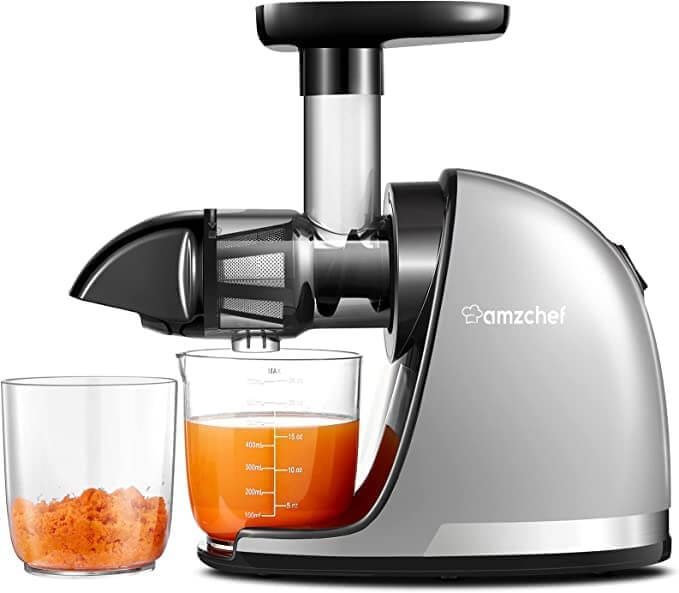
Assembly was straightforward — three pieces, a juice spout on one side, a scrap output on the other. The machine has a safety lock that prevents the lid from opening while it runs, which is a nice touch. It started up quietly and the first few apples, the ones that had been kept in the fridge and stayed firm, fed through pretty well.

Then came the basement apples. Weeks of room-temperature storage had turned them soft and mushy, and the juicer simply could not handle them. Instead of juice coming out of the spout, what came through was closer to applesauce. The scraps on the other side were wet and mushy too, not dry the way they should be. The sieves inside just could not push soft pulp through the way they would with a firm apple.
The juicer was not broken and it was not doing anything wrong. Soft, over-stored apples are just genuinely the wrong ingredient for a cold-press machine. The same machine on fresh, firm produce is a completely different story — the carrot test that followed proved that.
The Carrot Test: A Much Better Result

Three carrots went in after a quick rinse of the machine. The difference was immediate. Carrot juice came out clean, liquid, and totally strain-free. No mush, no pulp problem, just juice. The leftover carrot shreds were dry enough that they got saved for coleslaw instead of going in the bin.
The carrot juice ended up getting poured straight into the apple mush mixture, which made for a genuinely drinkable apple-carrot blend once it was all strained and chilled. Not exactly what anyone planned, but it worked.
Round Two: The No-Juicer Method
This is the approach from the year before, and it is almost embarrassingly simple. Cut the apples, bring a pot of water to a boil, pour it over the fruit, and leave everything alone for about 24 hours. Scoop out the apples gently so the liquid stays clear, strain it through a sieve, bring it back to a boil, sweeten to taste (honey worked well here), and pour into jars while still hot. The heat seals them.
The result was a clear, golden apple juice that looked and smelled exactly right. Not cloudy, not thick, just clean juice. The batch from the previous year, kept on purpose for comparison, was still holding up fine in color and taste.
- Works well on firm, fresh produce
- Carrot juice came out clean with zero straining
- Fast — three carrots done in under a minute
- Easy to rinse out right after use
- Compact, sits on a counter without crowding it
- Completely fails on soft or over-stored apples
- Works even on soft, aging apples
- Produces a clear, clean-looking juice
- No machine required at all
- Needs 21 to 24 hours of waiting time
- Sweetener added to taste at the end
- Jars seal with the heat if filled while boiling
So Which Method Actually Won?
For the apples in this experiment, the hot water method won without much contest. The juice came out cleaner, clearer, and tasted like what you would expect apple juice to taste like. The juicer, through no fault of its own, just had the wrong ingredient.
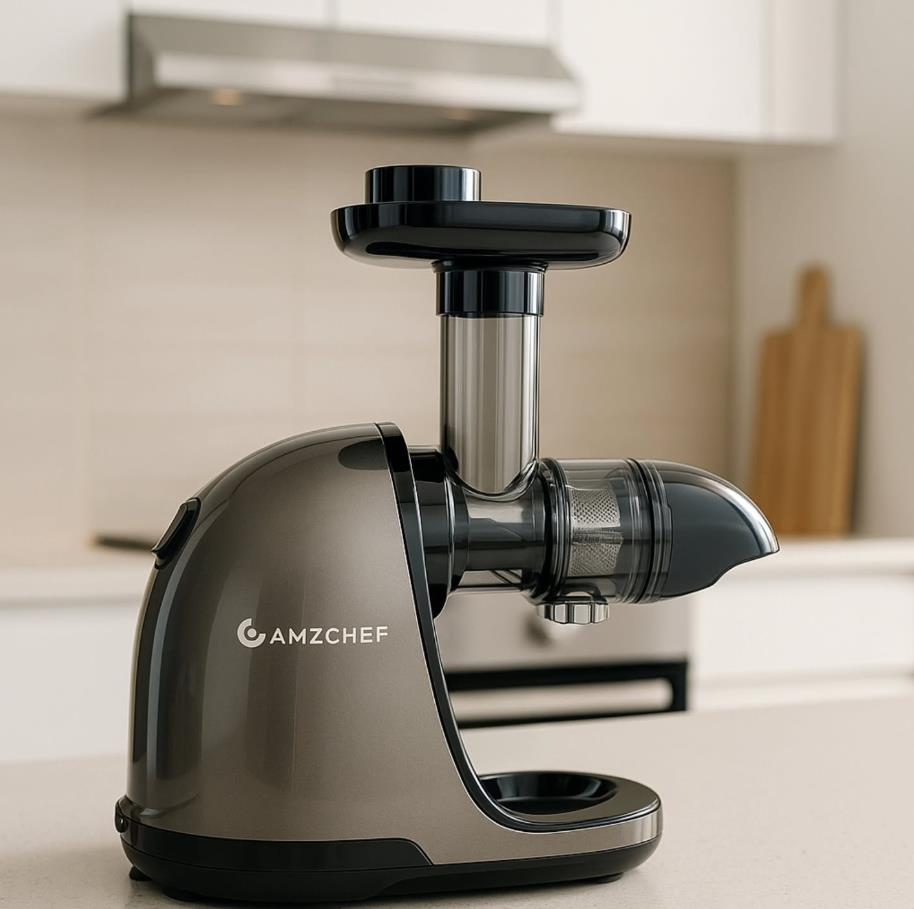
That said, calling the AMZCHEF slow juicer a bad machine based on this test would be unfair. The carrot result showed exactly what it can do when fed produce that is actually suitable for cold-pressing. If you keep fresh apples on hand, or you want carrot juice or anything firm in the morning, this machine makes a lot of sense. It is small, it cleans up fast as long as you rinse it before anything dries on, and it runs quietly.
The lesson here is really just about ingredient readiness. A slow juicer needs firm produce. If your apples have been sitting around for a few weeks and gone a bit soft, skip the juicer and go with boiling water instead. Both methods have their place — they just are not interchangeable.